


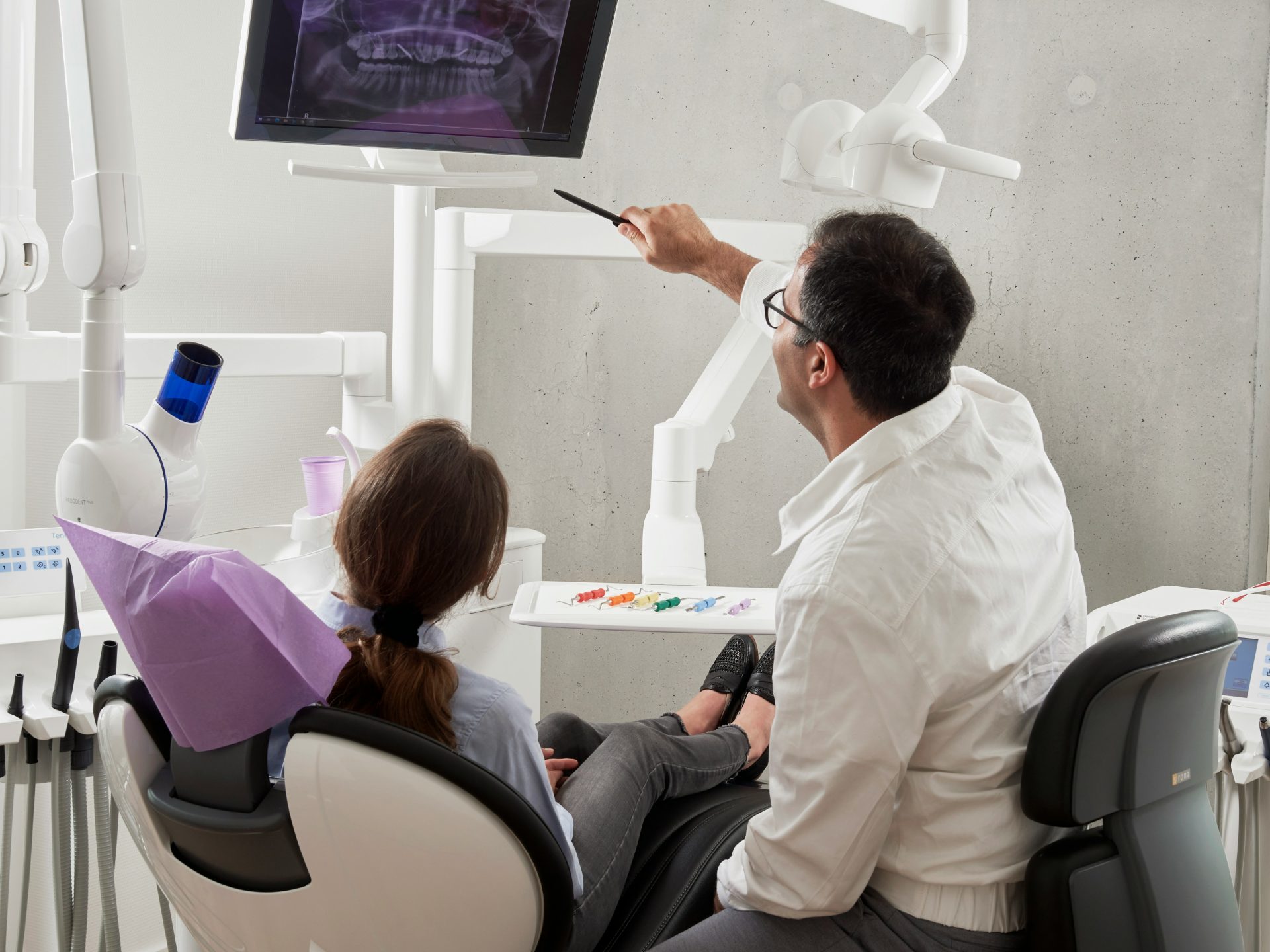
Having missing, damaged, or worn teeth can affect more than just your smile. They can also make it harder to chew, speak, and feel confident.
If you’re dealing with dental problems, you may be wondering how you can restore your oral health. Fortunately, several treatment options are available.
Full mouth reconstructions and full mouth dental implants can both restore your teeth. However, they serve different purposes.
In this guide, we discuss your options and help you understand which approach is right for you.
What Is the Difference Between Full Mouth Reconstruction and Dental Implants?
Full mouth reconstruction and dental implants are different based on the scope of treatment.
A full mouth dental implant involves replacing missing teeth. A dentist places small, screw-like posts in your jawbone to replace missing tooth roots. These posts can then support replacement teeth or dentures.
A full mouth restoration, on the other hand, restores your mouth’s health and function. It combines different dental procedures to address severe damage. Full mouth restorations can include dental implants and other restorative procedures.
Overview of Dental Implants and Full Mouth Reconstruction
Dental implants and full mouth dental reconstruction can both restore your teeth. That said, they can also address different dental needs.
Here’s a quick overview of each option.
Dental Implants Overview
| Purpose | To replace one or more missing teeth |
| How it Works | Posts are placed in the jawbone to support replacement teeth |
| Best For | People with missing teeth but otherwise have good bone support and oral health |
| Treatment Time | Can take several months, depending on your healing time |
- Provides stable replacement teeth that feel natural
- Restores chewing
Dental implants can be a good option for those looking for a long-term solution. They can be used even when you need a larger set of replacement teeth.
Full Mouth Reconstruction Overview
| Purpose | To restore health and function in gums and teeth |
| How it Works | Different dental treatments are combined to restore severely damaged teeth and gums. These can include full-arch dental implants, bone grafting, and even sinus lifting. |
| Best For | People with extensive tooth damage, multiple missing teeth, or bite problems |
| Treatment Time | Can take several months or years, depending on the complexity of the procedures |
- Addresses several dental concerns
- Includes a detailed assessment and a personalized treatment plan
Full mouth rehabilitation doesn’t always involve dental implants. If your natural teeth can be saved, your dentist may recommend restoration instead. The goal is to improve your oral health and restore oral function.
What to Consider When Comparing Your Options
Choosing between mouth reconstruction and dental implants for missing teeth depends on several factors. Your dentist will assess your overall oral health, goals, and budget before recommending a treatment.
Here’s what you should consider when comparing your options.
If You Have One or Several Missing Teeth
If you’re missing one or several teeth, dental implants may be the best option. They can replace missing roots and restore your ability to chew.
That said, the number and location of the missing teeth can influence the treatment plan.
If You Have Multiple Damaged or Severely Worn Teeth
If many of your teeth are cracked, worn down, or damaged, a full mouth reconstruction is worth considering. Rather than focusing on a single tooth, you can address multiple oral health problems.
If You Have Gum Disease or Problems With Your Bite
Gum disease can damage the tissues and bone that support your teeth. Meanwhile, an uneven bite places excessive pressure on certain teeth.
In this case, your treatment plan should address the underlying problem.
Full mouth reconstruction can help correct bite issues. Plus, it can treat gum disease. If you have missing teeth due to gum disease, you can also get dental implants.
If You Need to Replace Most or All of Your Teeth
For those who need to replace most of their teeth, the best option depends on your oral health.
If you have healthy bones and gums, a full-mouth dental implant is appropriate. However, if you have gum disease, you must address it with a full-mouth rehabilitation.
The Role of a Prosthodontist
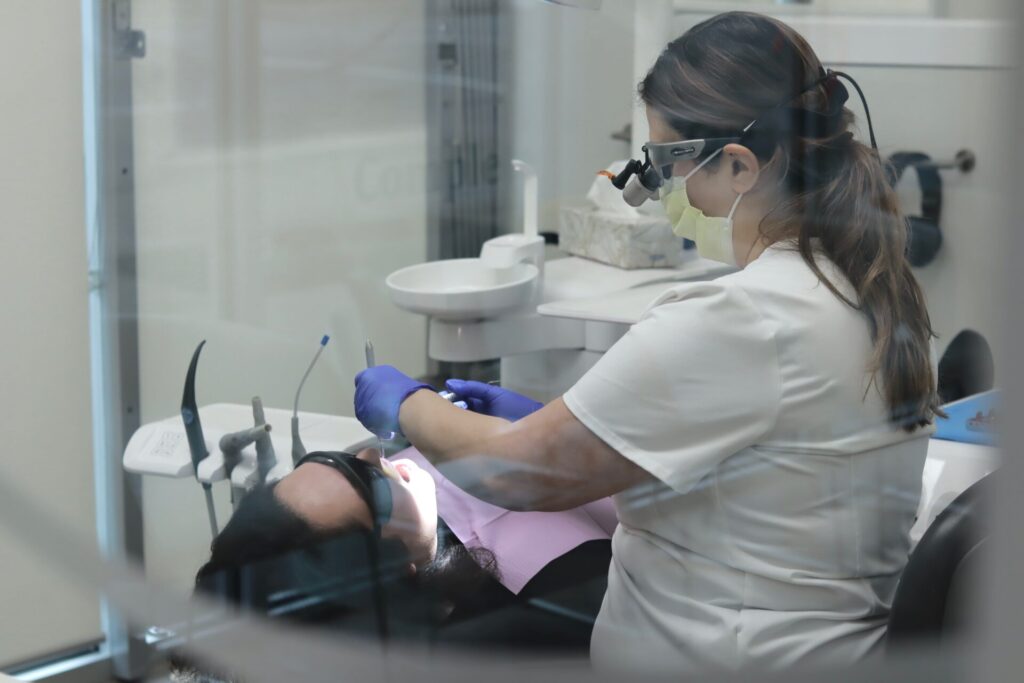
A prosthodontist is a dental specialist trained to restore and replace missing teeth. They have advanced training in dental implants, crowns, bridges, and full-mouth rehabilitation.
Here’s what you can expect when you work with a prosthodontist.
1. Initial Consultation and Dental Assessment
During assessment, a prosthodontist will examine your teeth, gums, bite, and overall oral health. They discuss your dental concerns, medical history, and treatment goals. Afterward, they determine whether your natural teeth can be restored.
Don’t be afraid to tell the prosthodontist about your budget and treatment preferences. This will help them recommend suitable options.
2. Diagnostic Imaging
Diagnostic imaging helps your prosthodontist examine areas that may not be visible during a regular examination. They can conduct X-rays or CBCT scans to assess the full extent of the damage.
Diagnostic imaging is necessary for dental implants. That’s because it tells your prosthodontist whether you have enough bone to support them.
3. Treatment Planning
After reviewing your examination and diagnostic imaging results, your prosthodontist will develop a personalized treatment plan.
If you have a few missing teeth, the treatment plan may focus on replacing them with dental implants. If you have severe tooth damage, the treatment plan may include other procedures to restore health.
Your prosthodontist should discuss the cost, timeline, and potential risks here.
Learn More About Dental Implants and Full Mouth Reconstruction
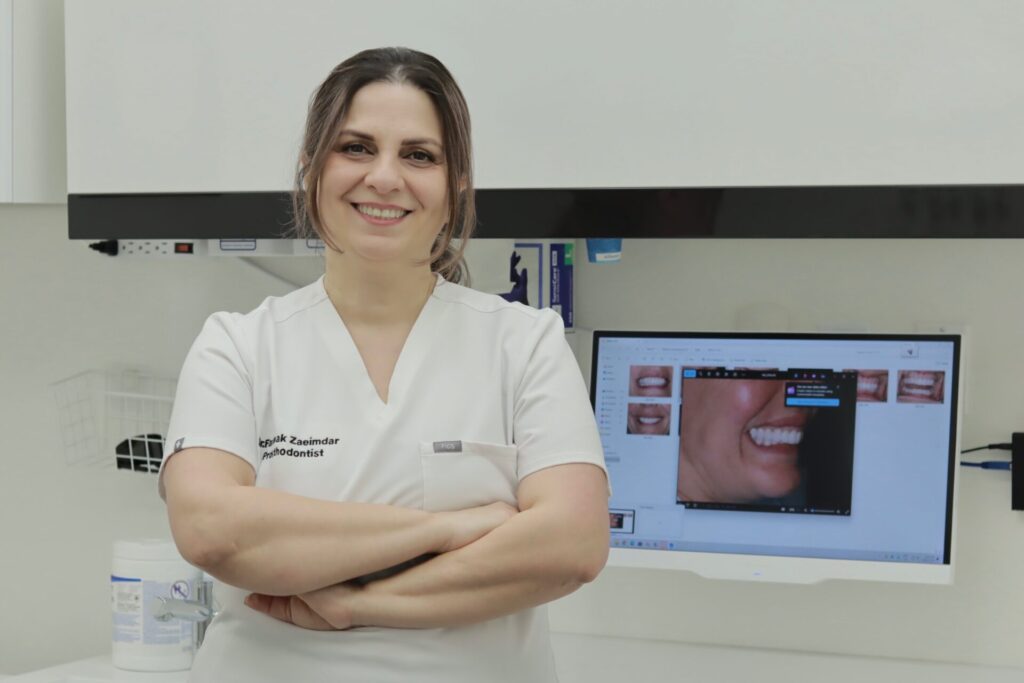
Do you want to learn more about dental implants and full mouth restoration?
Vancouver Dental Specialty Clinic is a multispecialty dental practice. Our clinic is conveniently located at 3488 West Broadway.
At VDSC, we understand how overwhelming dental problems can be. We’re here to listen to your concerns and help you understand your options.
You don’t have to worry about your oral health, no matter the issue. We offer full-mouth reconstruction, dental implants, prosthodontics, and other specialized services.
So, if you’re ready to restore your smile, reach out to us or visit VDSC’s website to learn more.