
Dental Bonding Vancouver, Kitsilano, Point Grey BC
Dental Bonding at VDSC
At Vancouver Dental Specialty Clinic, our experienced dental team offers cosmetic dental bonding for individuals seeking to enhance the appearance of their smile or address dental concerns. Dental bonding is a non-invasive, cost-effective option for repairing damaged teeth and providing a natural appearance.
Dental bonding can be used to fix issues with multiple teeth or a single tooth. If you have a chipped tooth, a broken tooth, a stained tooth, a discolored tooth, or other minor cosmetic issues, then dental bonding might be the solution for you.
What is Dental Bonding?
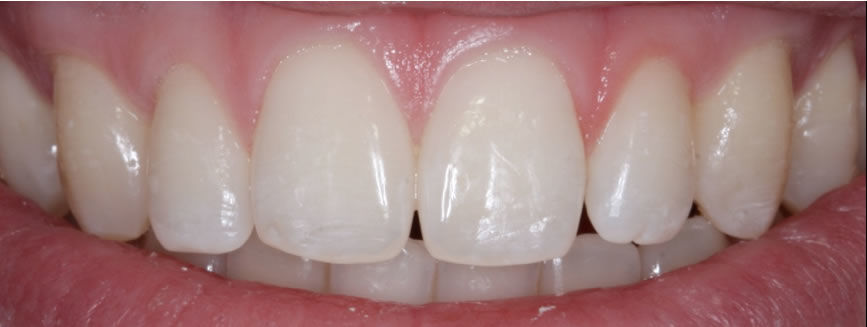
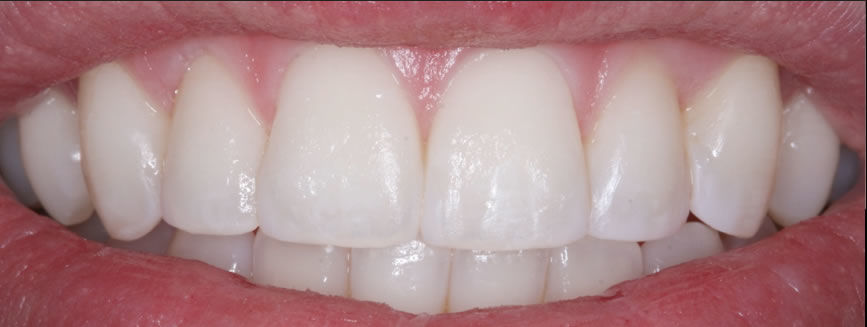
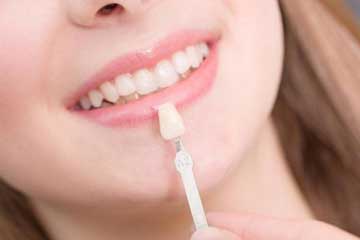
Dental bonding is a restorative and cosmetic procedure that repairs minor imperfections in teeth. Dental bonding helps improve both the function and appearance of a tooth. The dental bonding procedure involves applying a composite resin, a tooth-colored material. The composite resin material is bonded to the tooth and then gently shaved down to remove any sharp edges, laying it seamlessly on the tooth. The bonding material covers up the imperfection.
It can be used as an alternative to veneers when the damage is less extensive. It is also a more cost-effective option. Most dental bonding treatments can be completed in one visit at our Vancouver clinic. The result is an immediate improvement in the look of your teeth.
Dental Bonding Procedure
The first step of the procedure is tooth preparation. Your tooth is prepared for the dental procedure by lightly etching the surface and applying a bonding liquid. Once the liquid sets, a natural-looking, tooth-colored plastic resin is applied and sculpted into the desired shape by your specialist. Once set, the resin is trimmed, smoothed, and polished for a natural appearance.
The dental bonding procedure is minimally invasive and can often be completed in one appointment at our dental office in Vancouver. When complete, it will significantly improve the appearance of your tooth (or teeth).
How Long Does Dental Bonding Last?
Bonding uses a plastic resin, which is not as strong as your natural tooth enamel. Therefore, it is more likely to stain, chip, or break than natural teeth. That being said, when using quality bonding materials (as found at our clinic), bonding can last anywhere from three to five years before it needs repair. It can be an effective way to restore your damaged teeth.
For more information about dental bonding or to schedule a consultation with one of our specialists, please call our office in Vancouver, BC at 604-336-0958.
The results in the photographs are examples only and do not imply any certainty of the result of a procedure, and all outcomes are subject to the circumstances of the individual patient.
Other Cosmetic Dental Procedures at VDSC
Porcelain Veneers
Veneers are an ideal cosmetic solution for everyone who desires a beautiful smile with minimal invasions into their teeth.
Teeth Whitening
Laser teeth whitening allows us to whiten your teeth for as much as 8 shades in just one visit.
Dentures Vancouver BC
Dental implants are a common procedure of permanently replacing missing teeth without affecting neighboring teeth.

FAQ - Dental Bonding
No. Bonded teeth should be cared for like your natural teeth. Practice good oral hygiene habits, including daily brushing and flossing, along with routine dental visits, to help maintain results. Bonded teeth can chip, so we recommend avoiding chewing hard objects or using your teeth as tools.
Yes. The composite resin used in tooth bonding is matched to the color of your natural teeth. Once shaped and polished, it should blend seamlessly with your other teeth.
Dental bonding is generally painless. Most cases do not require anesthesia unless the bonding is being used to repair a decayed tooth.
Bonding is less costly and usually completed in one visit, but it is not as durable as porcelain veneers. Veneers last longer and resist stains more effectively, while bonding is better suited for minor repairs and cosmetic improvements.
Bonding is best for small chips, gaps, discoloration, or minor irregularities. More significant concerns may require other cosmetic dental treatments such as veneers, crowns, or orthodontic treatment.
